Monosodium Glutamate, commonly known as MSG, a flavor-enhancing additive that most people in the US associate with Chinese take-out, and have constantly toted as a “bad” additive to food, may actually increase your brain’s cognitive ability making it easier to learn.
Let’s start this with a disclaimer. I am not a doctor – just someone who enjoys researching and sharing with others. I find this interesting and you should too, but nothing in this article should be considered medical or nutrition advice.
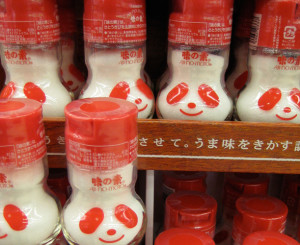
Photo via Flickr user Kinya Hanada.
For years, you have seen people worry about MSG in their foods and even created a campaign to get rid of it completely. You have seen the labels on some of your boxed food items that say “no MSG added” or tout “low MSG” labels. Let me ask you though – have you ever seen that label on a Walnut or block of Parmesan Cheese? Did you know that Monosodium Glutamate is naturally found in all kind of vegetables and nuts including everything from fish, chicken, and beef to tomatoes, broccoli, and mushrooms? While meets and milks are lower in glutamates than vegetables, many of the foods that are considered healthy for you have the highest values. (see chart of some common glutame containing foods)
So, I know what you are getting at – what does that have to do with making me smarter? Is MSG some sort of “Smart Food”? Well, kind of. If we look at the facts, Glutamates are a naturally-occurring, non-essential amino acid. They are, for all intents and purposes, like caffeine for your brain cells. It excites them. (read more about the affects of Glutamate on the brain)
By exciting your brain cells, you can effectively increase your cognitive abilities and learning becomes much easier, especially in higher-learning situations
Many people have had issue with MSG because of the sodium aspect, which I find somewhat amusing considering MSG contains only about a third the amount of sodium as common table salt (sodium chloride) with a total sodium content of about 12% compared to 39% in table salt. (Wikipedia). Of course, those that are sensitive to sodium or wish to reduce their sodium intake still have the option of using Monopotassium Glutamate, a potassium-based glutamate and alternative to MSG which offers similar flavoring without the sodium. The other obvious danger here is that in very large doses, glutamate can become toxic. Not in spite of its importance, but because of it. Glutamates have to be present in the right amounts to be effective. both too little and too much are equally harmful (so don’t go out and buy a canister of MSG and start downing it like water, okay?).
At the end of the day, glutamates are an amino acid that can help your cognitive ability. You can get your intake by eating walnuts and Parmesan cheese (none of that canned stuff though, okay?) or you can cook with it. But that Chinese restaurant you stopped eating at because they use MSG may have actually been doing you some good in your brain function.